How to Get Rid of Dark Circles Under Eyes: Causes & Remedies
If you have ever stared in the mirror wondering why those shadows under your eyes refuse to budge, you are not alone. Dark circles are one of the most common cosmetic concerns, and the causes range from your family tree to your sleep schedule. This guide breaks down what actually works, from cold compresses to medical treatments, so you can decide which approach fits your situation.
Most effective home remedy: Cold compress (Cleveland Clinic) ·
Primary cause: Genetics (Cleveland Clinic) ·
Medical treatment option: Injectable polynucleotide (Institute of Dermatologists)
Quick snapshot
- Cold compresses temporarily shrink blood vessels (Mayo Clinic)
- Genetics are a leading cause (Cleveland Clinic) (Mayo Clinic)
- Lack of sleep makes circles more noticeable (Cleveland Clinic) (Mayo Clinic)
- Whether home remedies permanently remove them (Cleveland Clinic)
- Exact prevalence of vitamin-deficiency-related dark circles (Cleveland Clinic)
- Long-term effectiveness of OTC eye creams (Cleveland Clinic)
- No fixed timeline — improvement depends on cause and treatment (Cleveland Clinic)
- If lifestyle changes do not help, consider a dermatologist (Mayo Clinic)
Nearly every person with dark circles will need to combine a quick fix (cold compress) with a long-term plan (sleep, sunscreen) because genetics and aging do not respond to a single treatment.
Five key facts, one pattern: most dark circles come from a mix of inherited traits and daily habits, not a single vitamin deficiency.
| Fact | Value |
|---|---|
| Common age group | All ages, more noticeable after 30 |
| Primary cause | Genetics (Cleveland Clinic) |
| Quick fix | Cold compress (Mayo Clinic) |
| Vitamin link | Vitamin B12, iron deficiency (Shens Clinic) |
| Permanent option | Polynucleotide injections (Institute of Dermatologists) |
How can I get rid of dark circles under my eyes fast?
Cold compress techniques
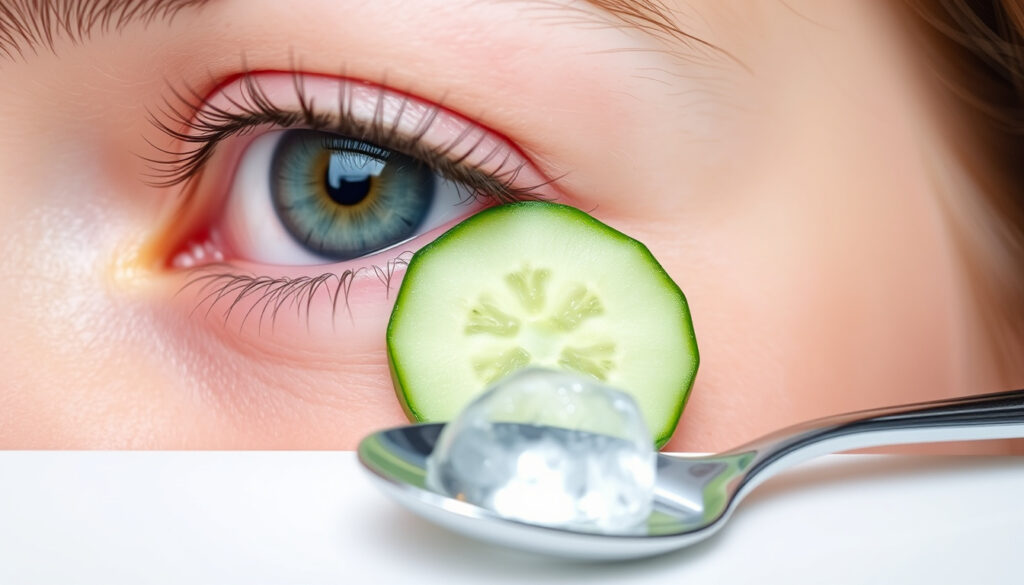
- Apply a cold teaspoon or a bag of frozen peas wrapped in a soft cloth for 5–10 minutes (Mayo Clinic).
- Cold temperatures shrink dilated blood vessels, reducing both puffiness and the dark appearance.
Over-the-counter eye creams with caffeine
- Caffeine constricts blood vessels — a similar effect to cold compresses but in a cream base.
- Results are temporary and vary by formulation.
Quick lifestyle fixes (sleep, hydration)
- Raising the head with pillows at bedtime may help reduce under-eye swelling (Mayo Clinic).
- Hydrated skin is less translucent, making blood vessels less visible.
The trade-off: These fixes last hours, not days. They mask the appearance without addressing the underlying cause.
How do I permanently remove dark circles?
Medical treatments (fillers, laser, polynucleotide injections)
- Injectable polynucleotide treatments such as PhilArt Eyes stimulate collagen and improve skin thickness (Institute of Dermatologists).
- Fillers can correct volume loss that causes shadowing — results last 12–18 months.
- Laser therapy targets pigmentation but requires multiple sessions.
Long-term skincare routines
- Use broad-spectrum sunscreen with at least SPF 30 — sun exposure worsens hyperpigmentation (Mayo Clinic).
- Retinoids (prescription or OTC) can thicken skin over months, reducing visible vessels.
When to see a dermatologist
- If dark circles persist despite lifestyle changes and topical products.
- If you have concerning symptoms like persistent swelling or discoloration in other areas.
Permanent removal is rarely truly permanent because aging continues. A dermatologist (a medical doctor specializing in skin) can explain which option fits your specific cause — pigmentation, hollows, or thinning skin.
What this means: For genetic dark circles, medical treatments are the only route to significant, long-lasting improvement. Topical products alone will not remove them.
What is the main cause of dark circles?
Genetic predisposition
- Genetics determine skin thickness, pigmentation patterns, and fat distribution around the eyes (Cleveland Clinic).
- People with darker skin tones are more prone to periorbital hyperpigmentation (Mayo Clinic).
Lifestyle factors (sleep, stress, diet)
- Fatigue dilates blood vessels, making them more visible through thin under-eye skin.
- Alcohol and smoking accelerate skin thinning and dehydration (Mayo Clinic).
Medical conditions and allergies
- Atopic dermatitis, contact dermatitis, and eye rubbing can cause post-inflammatory hyperpigmentation (Mayo Clinic).
- Thyroid disorders and iron deficiency can also contribute.
The pattern: Three main pathways — genetics (unchangeable), lifestyle (modifiable), and medical (treatable). Understanding which one applies to you narrows down the effective options.
What naturally removes dark circles?
Home remedies: cucumber slices, tea bags, aloe vera
- Cucumber slices contain vitamin K and antioxidants — they cool and soothe but have no clinical evidence for pigment reduction.
- Caffeinated tea bags (cooled) provide a mild vasoconstrictive effect, similar to a cold compress.
Dietary adjustments (vitamin K, iron-rich foods)
- If dark circles are linked to iron deficiency anemia, increasing dietary iron or vitamin B12 may help (Shens Clinic).
- Vitamin K creams may improve bruising but are not well-studied for dark circles.
Consistency and realistic expectations
- Natural remedies can soothe but are unlikely to eliminate dark circles entirely (Cleveland Clinic).
- Results, if any, take weeks of daily application.
Why this matters: Many people spend months trying natural solutions that have minimal evidence, delaying effective treatment.
Can dark eye circles go away?
Reversibility based on cause
- Dark circles caused by lack of sleep, allergies, or dehydration can fade within weeks when the trigger is removed (Cleveland Clinic).
- Genetic and age-related dark circles often persist without intervention.
Temporary vs. permanent dark circles
- Shadows from puffy eyelids are temporary — reducing puffiness eliminates the shadow.
- Pigmented circles (brownish hue) may require long-term depigmenting agents or laser.
Prevention strategies
- Stop smoking — it contributes to skin thinning (Mayo Clinic).
- Treat underlying conditions like eczema (Mayo Clinic).
The catch: Even when dark circles fade, the underlying predisposition remains. Prevention is about maintaining good skin health, not guaranteeing they never return.
Step-by-Step Daily Routine to Reduce Dark Circles
- Morning: Apply a broad-spectrum SPF 30 sunscreen around the eyes (Mayo Clinic).
- Night: Use a moisturizer or retinoid cream to support skin thickness.
- Weekly: Apply a cold compress (cucumbers or chilled tea bags) for 5–10 minutes after long screen time.
- Ongoing: Prioritize 7–8 hours of sleep and stay hydrated.
If you do not see any improvement after 2–3 months of consistent routine, the cause is likely structural (genetics, volume loss) — at that point, a board-certified dermatologist (a skin health specialist) is your next stop.
The implication: A routine based on prevention and gentle treatment works for mild cases. For moderate to severe dark circles, self-care is a complement, not a substitute.
Confirmed facts and lingering questions
Confirmed facts
- Cold compresses reduce puffiness and darkness temporarily (Mayo Clinic).
- Genetics play a major role (Cleveland Clinic).
- Lack of sleep worsens appearance (Cleveland Clinic).
What’s unclear
- Whether home remedies permanently remove dark circles (Cleveland Clinic).
- Exact percentage of people with vitamin deficiency-related dark circles (Cleveland Clinic).
- Long-term effectiveness of over-the-counter eye creams (Cleveland Clinic).
The gap: The evidence is clear on temporary fixes and genetics, but there is no large-scale study comparing home remedies head-to-head with medical treatments.
Expert perspectives
“Dark circles are a common cosmetic concern caused by a mix of genetics, lifestyle, and age-related change.”
“Injectable polynucleotide treatments can stimulate collagen and improve dark circles by thickening the under-eye skin.”
Institute of Dermatologists (a specialist dermatology clinic)
“Understanding the cause is the first step to finding the right treatment. Not all dark circles are the same.”
Why this matters: These three voices — a hospital, a specialist clinic, and a consumer brand — all agree on one point: cause determines treatment. There is no universal cure.
medicalnewstoday.com, drjasonhall.com, dermnetnz.org, wcosmeticsurgery.com, pmc.ncbi.nlm.nih.gov, mayoclinic.org, pmc.ncbi.nlm.nih.gov, laskinmd.com, mayoclinic.org, mayoclinic.org
Frequently asked questions
Can dark circles be a sign of a medical condition?
In rare cases, yes. Thyroid dysfunction, iron deficiency anemia, and certain allergic conditions can cause or worsen dark circles. If they appear suddenly or are accompanied by swelling, see a doctor (Mayo Clinic).
Is it safe to use eye creams every day?
Yes, but choose products labeled for the eye area. Avoid retinoids in high concentration unless prescribed by a dermatologist. Sunscreen is safe and recommended daily (Mayo Clinic).
Are there foods that help reduce dark circles?
Iron-rich foods (spinach, lentils) and vitamin C sources (citrus fruits) may help if deficiency is the cause. No food directly removes dark circles, but a balanced diet supports overall skin health.
Does drinking water help dark circles?
Dehydration can make under-eye skin more translucent, making blood vessels more visible. Staying adequately hydrated helps but will not fix genetic or structural dark circles (Cleveland Clinic).
Can lack of sleep alone cause dark circles?
Yes. Sleep deprivation dilates blood vessels and causes fluid retention, which makes dark circles more apparent. They often fade after a few nights of good sleep (Mayo Clinic).
How long does it take for natural remedies to work?
Most natural remedies take 2–4 weeks of daily use to show any effect, and results are typically subtle. Cold compresses work immediately but only for a few hours.
Are there any side effects of medical treatments for dark circles?
Yes. Fillers can cause bruising, swelling, and rare vascular complications. Polynucleotide injections may cause temporary redness. Laser therapy can lead to hyperpigmentation in darker skin tones. Always consult a board-certified dermatologist (Institute of Dermatologists).
For anyone looking for more ways to improve their overall health — which directly affects your skin — consider reading our guide on How to Reduce Sugar in Your Diet. And if you are exploring aesthetic treatments, our Laser Hair Removal Galway guide offers a practical look at what clinic-based procedures involve.
Dark circles are rarely a medical emergency, but they can be stubborn. The choice between home remedies and professional help comes down to the cause. For someone in Ireland or the UK dealing with genetic dark circles, the most direct path is a consultation with a dermatologist — either the NHS route or a private clinic. The trade-off is clear: time and patience for natural solutions, or money and short-term risk for medical ones. In a country with limited public dermatology access, many people end up trying home remedies for months before seeking help. That is fine — as long as you know when to switch strategies.
More related posts
 FabU Meno & Peri: Benefits, Ingredients, and Side Effects
 Penneys Wexford Opening Hours: 2025 Times & £13 Rule
 What Is a Rainbow Baby? Meaning, Differences & Related Terms
 Can You Take Ibuprofen with Paracetamol? Safety, Dosage & Timing
 Ireland’s World Cup Play-Off Loss to Czechia on Pens
 TV Listings Tonight Ireland: RTÉ, Virgin Media Guide
 Smart Home Device Security Risk: Vulnerabilities & Fixes
 Laser Hair Removal Galway: Cost, Safety & Prep Guide
