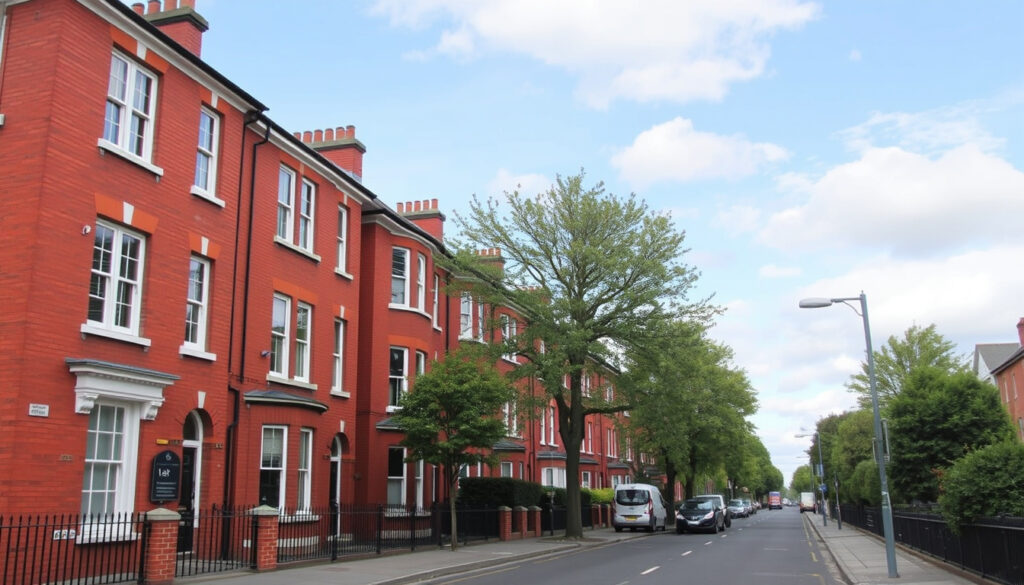
1 Bedroom Apartments to Rent in Dublin: Prices & Guide
If you’re hunting for a 1-bedroom apartment to rent in Dublin, you already know the search can feel like a full-time job. Prices vary widely depending on location, and competition is fierce. This guide breaks down the real costs, the best strategies for finding a place, and what you need to know about renting from private landlords.
Average monthly rent for 1-bedroom apartment in Dublin city centre: €1,000 – €2,750 ·
Average monthly rent for 1-bedroom apartment outside Dublin city centre: €900 – €1,500 ·
Number of apartments listed on major rental platforms: Over 1,300 ·
Cheapest monthly rent found in Dublin listings: €500
Quick snapshot
- 1-bed apartment: €1,000–€2,750/month (Findallrentals.com rental aggregator)
- City centre premium applies (Findallrentals.com rental aggregator)
- Under €1000 possible in suburbs
- Private landlords often cheaper
- Renting: no deposit needed beyond security
- Buying: equity but requires big upfront cost
- Use Daft.ie and Rent.ie
- Verify RTB registration
One quick look at the numbers shows the range: from €500 listings to over €2,750 a month.
The table below pulls together the key data points from various rental platforms.
| Label | Value |
|---|---|
| Average 1-bed Dublin centre (Spotahome) | €1,000/month |
| Highest 1-bed listing (Daft.ie) | €2,750/month |
| Lowest 1-bed listing found | €500/month |
| Total apartments listed (Daft.ie) | 1,317 |
What is the average cost of a 1 bedroom apartment in Dublin?
Current rental prices for 1-bedroom apartments in Dublin city centre
- City centre one-bedroom apartments average around €1,000 per month according to Findallrentals.com rental aggregator, though premium listings can go above €5,500.
- Realistic budgets for a desirable one-bedroom in Dublin start at €1,600 per month, reports HomeScout rental market guide.
- Well-connected areas like Phibsborough, Drumcondra, Rathmines, and Kilmainham are popular choices, according to LifeCost cost-of-living guide.
City centre renters pay a premium for walkability and transport links, but suburban options can slash monthly costs by €400 or more.
The implication: the price difference between centre and suburbs can fund a monthly transport pass with money left over.
Rental prices for 1-bedroom apartments outside the city centre
- Outside the centre, a one-bedroom apartment averages around €1,386 per month, per SalaryAfterTax cost-of-living calculator.
- Some listings drop below €1,000, especially in suburbs like Finglas, Ballymun, and Tallaght.
- A comprehensive budget including utilities and living costs can push the total to €2,600–€3,100 per month, notes LifeCost cost-of-living guide.
The pattern: the further from the centre, the lower the base rent — but transport costs and time need to be factored in.
Is it easy to rent an apartment in Dublin?
Demand and competition in the Dublin rental market
Dublin’s rental market is notoriously competitive. With over 1,300 apartments listed on Findallrentals.com rental aggregator alone, demand still outstrips supply. Properties often go within hours of being listed.
A quick response — same-day viewing and application — can make the difference between securing a place and losing it to another renter. Rentumo rental marketplace guide advises preparing a full application pack in advance.
Steps to secure a rental quickly
- Prepare documentation: Photo ID, PPS number, recent payslips or employment contract, bank statements, landlord reference, and Irish Residence Permit (if applicable), as recommended by Rentumo rental marketplace guide.
- Set up alerts on Daft.ie, Rent.ie, and other platforms.
- Respond to listings within minutes — same-day viewing is often expected.
- Have deposit funds ready (usually one month’s rent).
The trade-off: speed versus due diligence. Don’t skip verifying the landlord’s registration with the Residential Tenancies Board (RTB) tenancy register before transferring any deposit.
Is it better to rent or buy in Dublin?
Cost comparison: renting vs buying a 1-bedroom apartment in Dublin
Three key differences, one takeaway: renting offers flexibility, buying builds equity but demands a huge upfront stake.
The comparison below highlights the financial trade-offs between renting and buying.
| Factor | Renting | Buying |
|---|---|---|
| Monthly cost (1-bed) | €1,000–€2,750 | Mortgage ~€1,200–€1,800 (based on €250,000–€300,000 purchase) |
| Upfront cost | One month’s deposit + first month’s rent | 10–20% deposit (€25,000–€60,000) |
| Maintenance & taxes | Landlord’s responsibility | Owner pays property tax, repairs, insurance |
| Equity building | None | Yes, over time |
| Flexibility | High (lease terms 12 months typical) | Low (selling takes time) |
The implication: for renters who expect to move within 3–5 years, renting is cheaper. For those planning to stay longer, buying becomes attractive if you have the deposit.
Upsides
- No maintenance burdens
- No property tax
- Easier to relocate
Downsides
- No asset building
- Rent increases possible
- Subject to landlord’s rules
Where is the cheapest place to rent in Dublin?
Cheapest neighborhoods for 1-bedroom apartments in Dublin
- Finglas, Ballymun, and Tallaght often have the lowest rents, with some 1-bedroom listings under €1,000 per month.
- Phibsborough, Drumcondra, and Kilmainham offer a balance of affordability and connectivity, per LifeCost cost-of-living guide.
Cheaper areas may have higher crime rates or longer commutes. Always visit the neighbourhood at different times of day before committing.
Finding apartments under €1000 per month
Listings under €1,000 do exist but are rare and often go quickly. Suburbs outside the M50 ring offer more options. Findallrentals.com rental aggregator shows some as low as €516, but those are uncommon.
The catch: a sub-€1,000 apartment may require compromises on size, location, or building condition.
How to find private landlords for 1 bedroom apartments in Dublin?
Using Daft.ie and Rent.ie for private listings
Private landlords often list directly on Daft.ie and Rent.ie rental portals. Filter by “Private Landlord” to avoid agency fees. Always verify the landlord’s registration with the RTB before paying a deposit.
Direct approaches: Facebook groups, local ads, word of mouth
- Join Dublin rental Facebook groups — many private landlords post there.
- Check local noticeboards in supermarkets and community centres.
- Ask friends, colleagues, or neighbours — word of mouth can uncover deals before they hit the web.
Steps to rent from a private landlord safely:
- View the property in person.
- Ask for the landlord’s RTB registration number.
- Get a written tenancy agreement.
- Pay deposit via bank transfer with a receipt.
- Never pay cash or via wire transfer to an unknown person.
Confirmed facts
- Average rent for a 1-bedroom Dublin city centre apartment: €1,000–€2,750 per month (Findallrentals.com rental aggregator).
- Over 1,300 apartments listed for rent on Daft.ie.
What’s unclear
- Exact number of 1-bedroom apartments under €500 is unknown and likely very limited.
- Specific percentage of private landlord listings vs agent listings is not publicly tracked.
“The average rent for a one-bedroom apartment in Dublin city centre is around €1,000 per month, but premium locations can push that to €2,750 or more.”
— Findallrentals.com rental aggregator
“A realistic budget for a desirable one-bedroom in Dublin is at least €1,600 per month.”
Editor’s note: Prices in this guide were collected in early 2026 from multiple rental platforms. Always check current listings as the market changes rapidly.
For Dublin renters on a budget, the decision between renting and buying comes down to how long you plan to stay. If you’re looking at a short-term move (under 3 years), renting a 1-bedroom apartment gives you flexibility and no maintenance headaches. If you’re settling in for the long haul, buying might be worth the deposit — especially if you’re already considering a mortgage. For more on Irish property finance, see our guide to Bank of Ireland Mortgages: Contact, Rates & Age Limits. And if you’re moving to a Dublin suburb like Dun Laoghaire, check out Post Office Dun Laoghaire: Address, Hours, and Services for local amenities.
daft.ie, findallrentals.com, investropa.com, spotahome.com, voyica.com, selectra.ie, rentberry.com
Frequently asked questions
What documents do I need to rent a 1-bedroom apartment in Dublin?
You’ll typically need photo ID, PPS number, recent payslips or employment contract, bank statements, a landlord reference, and an Irish Residence Permit if applicable. Rentumo rental marketplace guide recommends preparing these in advance.
How much deposit is required for a 1-bedroom rental?
Usually one month’s rent. Some landlords may ask for a deposit of up to two months’ rent, but this is becoming less common. Always get a receipt.
Are utilities included in the rent for 1-bedroom apartments?
It varies. Some listings include heating, electricity, and water; others do not. Always check the lease agreement. Budget an extra €150–€250 per month for utilities if not included.
How long does it typically take to find a 1-bedroom apartment in Dublin?
With high demand, it can take anywhere from a few days to several weeks. Being prepared with documents and using multiple platforms speeds things up.
What is the average size of a 1-bedroom apartment in Dublin?
Typically between 40 and 60 square metres. Newer builds tend to be smaller, while older properties may offer larger layouts.
Can I negotiate the rent with a private landlord?
Yes, especially if the property has been listed for a while. Private landlords are often more flexible than agencies. Offer a longer lease or a quick move-in date as leverage.
What are the main risks of renting from a private landlord?
The biggest risk is lack of regulation. Always verify the landlord’s RTB registration, get a written tenancy agreement, and avoid paying cash. Never transfer money without a viewing.
More related posts
 Best Hotels in Dublin City Centre: Top Picks & Guides
 1 Euro in INR Today: Live Rate, Trends & Comparisons
 Adobe QR Code Generator: Free Customizable QR Codes with Logo
 TV Listings Tonight Ireland: RTÉ, Virgin Media Guide
 UK Size 9 in EU: Complete Shoe Size Conversion Guide
 Charles de Gaulle Airport Guide: Transfers to Paris
 C1 Bus Timetable Cavan to Ballyhaise: Full Schedule
 Ozempic Dosing for Weight Loss: 0.25 mg to 2.0 mg
