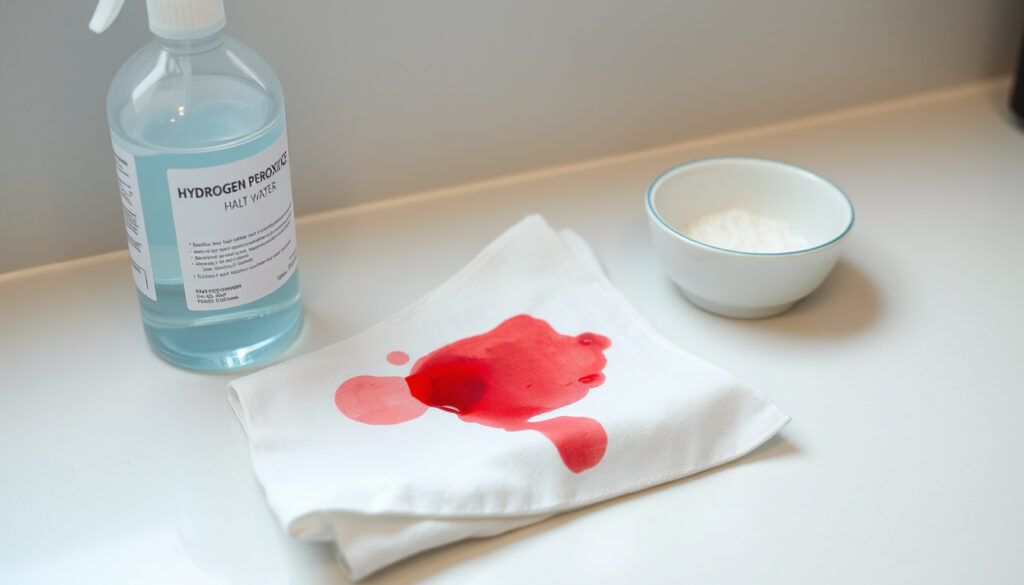
How to Get Blood Out of Clothe : 5 Method That Actually Work
Anyone who’s ever dealt with a nosebleed at 2 AM or a minor kitchen accident knows the sinking feeling of looking at a bloodstained shirt. Most stains can be completely removed if you treat them the right way—and this guide walks through five proven methods, from household staples like baking soda and vinegar to enzyme-based commercial formulas, explaining the science behind what actually works so you can save your clothes.
Fresh blood: Cold water rinse within 3 hours prevents protein setting ·
Baking soda paste: 2:1 ratio lifts dried blood via abrasive and alkaline action ·
White vinegar: pH 2.5 acidity dissolves blood residues ·
Enzyme detergents: Protease enzymes break down hemoglobin in 15–30 minutes
Quick snapshot
- Cold water is the first-line rinse for fresh blood stains because heat can set the stain (Whirlpool (appliance manufacturer))
- Commercial stain removers with enzymes are the most effective against dried blood (OxiClean (oxygen-bleach brand))
- Baking soda and white vinegar do not damage most machine-washable fabrics (University of Georgia Extension (university research body))
- Toothpaste efficacy for blood stains is purely anecdotal; no controlled studies exist
- Salt may not work on large or deeply set stains
- Old blood stains that have been heat-set are often permanent
- Fresh: rinse within 3 hours with cold water (OxiClean (oxygen-bleach brand))
- Dried: soak 6 hours with oxygen-bleach solution (OxiClean (oxygen-bleach brand))
- Set-in: may require overnight or up to a week with enzyme treatment (OxiClean (oxygen-bleach brand))
- Check stain after each treatment cycle before machine drying
- For delicate fabrics like silk or wool, consider professional cleaning
- Multiple applications of hydrogen peroxide or enzyme soaking may be needed
Five key facts, one pattern: the difference between a stain that lifts and one that sets comes down to temperature and timing.
| Factor | What you need to know | Source |
|---|---|---|
| Fresh blood | Treat within 3 hours; cold water rinse | Whirlpool (appliance manufacturer) |
| Dried blood | Requires soaking and enzyme treatment | OxiClean (oxygen-bleach brand) |
| Heat | Hot water or dryer sets stain permanently | University of Georgia Extension (university research body) |
| Enzyme detergents | Most effective for protein-based stains | Whirlpool (appliance manufacturer) |
| Hydrogen peroxide | Effective but can bleach colored fabrics | University of Georgia Extension (university research body) |
How do you get dried blood out of clothes?
- Pre-soak in cold water: Rinse the stained area under cold running water as soon as possible. Rub bar soap or liquid detergent directly onto the wet stain.
- Apply baking soda paste: Mix baking soda with cold water in a 2:1 ratio to form a paste. Blot onto the stain and let dry before rinsing.
- Use enzyme detergent soak: Soak the fabric in cold water with an enzyme laundry detergent for at least six hours.
Blood is made of proteins that coagulate when heated. That’s why the standard advice—cold water, then cold cycle—isn’t just a suggestion; it’s the single most important step you can take. A bleach soak won’t help if you’ve already set the stain with hot water or a dryer.
Pre-soak in cold water
- Rinse the stained area under cold running water as soon as possible. The University of Georgia Extension (university research body) recommends rubbing bar soap or liquid detergent directly onto the wet stain.
- For older stains, Whirlpool (appliance manufacturer) advises scraping off any dried blood before soaking the fabric in cold water with an enzyme laundry detergent.
Apply baking soda paste
- Mix baking soda with cold water in a 2:1 ratio to form a paste. Whirlpool (appliance manufacturer) says the paste can be gently blotted onto the stain and left to dry before rinsing.
- The alkaline nature of baking soda (pH ~9) helps break down blood proteins without the need for heat.
Use enzyme detergent soak
- Enzyme detergents contain protease, which targets hemoglobin proteins. OxiClean (oxygen-bleach brand) recommends a soak of about six hours for blood-stained clothes or sheets.
- For set-in stains, their Max Force spray can be left to penetrate overnight or up to a week, depending on severity.
The trade-off: Baking soda and enzyme soaks are gentle enough for most fabrics, but they require patience. A quick rinse won’t lift dried blood—you need sustained contact time for the chemistry to work.
The takeaway: OxiClean and Whirlpool advise cold water and enzyme soak for successful removal. Start with a cold-water rinse within three hours, then follow with a baking soda or enzyme treatment to break down proteins before they set.
Does vinegar remove blood stains?
Vinegar’s acidity (pH 2.5) dissolves blood proteins, but its strength comes with a caveat: Whirlpool (appliance manufacturer) warns it can erode the rubber seals and hoses in a washing machine if not rinsed thoroughly before laundering.
How vinegar works: acidity dissolves proteins
- White vinegar (5% acetic acid) breaks down dried blood by denaturing the protein structure. Whirlpool (appliance manufacturer) includes vinegar in its list of household options alongside lemon juice, hydrogen peroxide, and oxygen bleach.
Application: soak or spray
- Soak the stained fabric in a 1:1 vinegar-water solution for 30 minutes before washing. For light-colored fabrics, this is particularly effective.
- University of Georgia Extension (university research body) recommends ammonia as a next step for old and stubborn stains if initial treatment fails, rather than repeating vinegar.
Best for light-colored fabrics
- White vinegar is safe for most machine-washable fabrics but should not be mixed with bleach, as this produces toxic chlorine gas.
- On dark or colored fabrics, test a small hidden area first—vinegar can sometimes cause fading.
The implication: Vinegar is a solid first-line household option for dried blood, especially on whites or lights, but it’s not a universal cure. For stubborn stains, an enzyme-based commercial product is the more reliable choice.
Does toothpaste remove blood stains?
Toothpaste as a stain remover is one of those internet hacks that sounds clever but rarely delivers. Without controlled studies to back it up, you’re better off reaching for baking soda or hydrogen peroxide—both of which have actual evidence behind them.
Toothpaste as a mild abrasive
- The idea is that toothpaste’s silica content can scrub the stain away. But unlike baking soda, toothpaste contains humectants and thickeners that can leave a residue on fabric.
Compare to baking soda method
- Baking soda provides the same abrasive action without the additives. The Whirlpool (appliance manufacturer) baking soda paste method is better documented and fabric-safe.
Effectiveness on fresh vs. dried stains
- Anecdotal reports from users suggest toothpaste works best on very small, fresh stains—think a tiny dot from a shaving nick—but fails on larger or dried areas. No laundry brand or university extension office lists toothpaste as a recommended method.
What this means: Skip the toothpaste. The risk of staining dark fabrics and the lack of proven results make it a weak substitute for baking soda, cold water, or enzyme detergent.
What removes dried blood stains?
Hydrogen peroxide is powerful but indiscriminate. The University of Georgia Extension (university research body) recommends applying a few drops of 3% hydrogen peroxide for 1 to 3 minutes, then rinsing immediately—longer contact can bleach colored fabrics permanently.
Commercial enzyme removers
- Products like OxiClean, Persil, and Vanish use protease enzymes to digest blood proteins. OxiClean (oxygen-bleach brand) advises rinsing blood stains with cold water before treatment and then soaking in an oxygen-bleach solution for about six hours.
- These are the most effective options for dried blood, according to university and manufacturer sources alike.
Hydrogen peroxide (caution for colors)
- The University of Georgia Extension (university research body) says hydrogen peroxide (3%) can be applied for 1–3 minutes if stain remains after soaking and detergent treatment. For stains set by the dryer, an Instructables (community guide) suggests hydrogen peroxide followed by a hot iron.
Salt and cold water soak
- For fresh stains, a common trick is to wet the stain, sprinkle salt generously, and rub it in. The salt absorbs the blood and lifts it from the fibers when scrubbed. Whirlpool (appliance manufacturer) supports this as a first-step treatment for fresh blood.
- On large or deeply set stains, salt alone is rarely enough—it’s a booster, not a standalone solution.
The pattern: Commercial enzyme removers lead on efficacy; hydrogen peroxide is a strong backup with a color-warning caveat; salt works best as an emergency first step.
Are old blood stains permanent on clothes?
“Heat sets blood protein permanently. Once a blood stain has been through the dryer, the chances of complete removal drop dramatically. Persistence with multiple treatments can fade it, but it may never fully disappear.”
Whirlpool (appliance manufacturer)
When a stain becomes permanent
- The critical moment is exposure to heat—hot water, a dryer, or an iron. The University of Georgia Extension (university research body) emphasizes that heat causes blood proteins to coagulate and bond with fabric fibers permanently.
Techniques for set-in blood
- For blood that has already been washed and dried, a YouTube demonstration (How to Remove Any BLOOD Stain From Clothing, Sheets, or Fabric (community demonstration)) suggests repeated hydrogen peroxide applications for up to two hours, followed by ammonia, and then heat plus hydrogen peroxide if needed.
- OxiClean’s Max Force spray can be left to penetrate overnight or up to a week for set-in stains (OxiClean (oxygen-bleach brand)).
Prevention: avoid heat
- Inspect every stained garment before it goes into the dryer. If any trace of the stain remains, repeat the treatment process rather than risking heat-set permanence.
- The Whirlpool (appliance manufacturer) rule is straightforward: “Wash blood-stained sheets in a cold-water cycle with oxygen bleach and repeat without drying until the stain is gone.”
Why this matters: For anyone who has accidentally dried a blood stain, the takeaway is stark—prevention is far more effective than cure. Once heat sets the stain, you’re in salvage mode, not removal territory.
“For fresh blood stains, cold running water and bar soap are your best friends. The faster you act, the less likely the stain will set.”
University of Georgia Extension (university research body)
“Old blood stains require patience. Treat them with an enzyme soak overnight, then repeat. If the stain survives the washer, don’t dry it—start again.”
Reddit community tip (user-contributed advice)
For anyone with a blood stain on their hands, the choice is clear: act fast with cold water, or invest the time in enzyme soaking and hydrogen peroxide cycles. The difference between a saved shirt and a ruined one is measured in hours and in the decision to skip the dryer.
For those dealing with greasy marks, the same cold water and baking soda technique works well for removing oil stains from clothes.
Frequently asked questions
Can I use hot water to remove blood stains?
No. Hot water sets blood proteins permanently. Always use cold water for rinsing and washing blood-stained fabrics.
Is hydrogen peroxide safe for colored clothes?
It can bleach colored fabrics. The University of Georgia Extension (university research body) recommends applying it for only 1–3 minutes and rinsing immediately.
How long should I soak blood stains?
OxiClean (oxygen-bleach brand) advises a six-hour soak for optimal results, while their spray can work overnight for set-in stains.
What if the stain is on silk or wool?
Delicate fabrics should be treated with extra care. If the stain persists after a cold-water rinse, consider professional dry cleaning rather than using bleach or hydrogen peroxide.
Does bleach remove blood stains?
Chlorine bleach can set blood stains and damage fabric. Oxygen bleach is safe and effective when used as directed by brands like OxiClean.
Can I use dish soap?
Dish soap alone lacks the enzymes needed to break down blood proteins. It may help as a pre-rinse but should not replace enzyme detergent or hydrogen peroxide treatment.
Will the stain reappear after washing?
If any residue remains before drying, the stain can reappear. Always check the garment before putting it in the dryer and repeat treatment if necessary.
More related posts
 12.5 Stone in kg: Exact Conversion (79.4 kg)
 A House of Dynamite Ending: What Happens & Why Abrupt
 Ireland Weather Temperature Swing: Heat, Freeze & Storms
 Ireland Heatwave June Forecast: Will Summer 2026 Be Hot
 The Rip Movie True Story: The Real Heist and Unsolved Case
 A Few Good Men: True Story, Iconic Line & Worth Watching
 What Is a Rainbow Baby? Meaning, Differences & Related Terms
 The Autopsy of Jane Doe: Is It Scary? Plot and Meaning
